
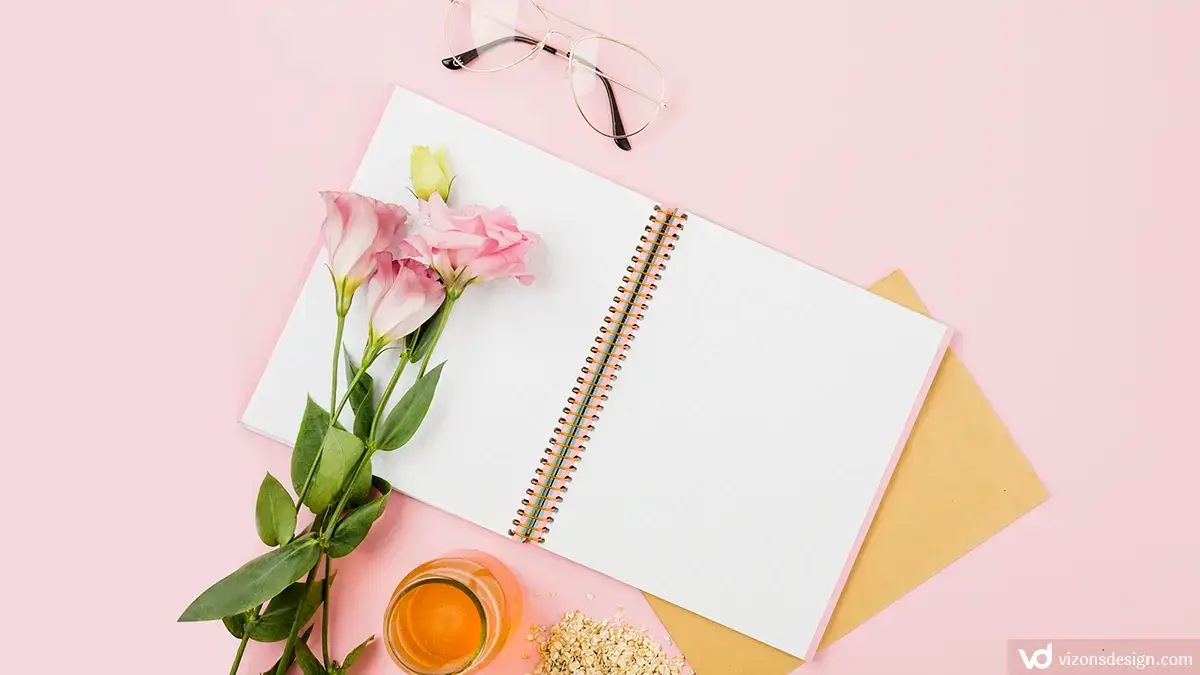

Choosing the best notebook for drawing and sketching can have a big impact on your artwork. Poor-quality paper may smudge, wrinkle, or tear, making it harder to practice and improve. The right notebook provides a smooth surface for shading, erasing, and creating detailed sketches. In this guide, you will learn how to select a notebook based on paper quality, size, binding, and the drawing tools you use most.


What Is an Art Notebook?
An art notebook is an essential tool for artists to practice drawing, develop ideas, and capture visual inspiration. Whether you’re sketching people at a café or drawing city landscapes, regular practice helps improve observation skills and artistic technique. Choosing the best notebook for drawing and sketching gives you a reliable space to experiment, refine concepts, and track your creative progress.
Most sketchbooks are designed for use with graphite pencils, charcoal, colored pencils, and ink pens. Some also support light mixed-media techniques, depending on the paper quality and thickness.
The right notebook for artistic work doesn’t need to be reserved for perfect artwork. Its purpose is to encourage creativity, experimentation, and skill development without the fear of making mistakes. Understanding the role of a sketchbook makes it easier to select one that fits your artistic needs. For more notebook insights, explore our college-ruled notebooks. Next, we’ll look at why choosing the right sketchbook can improve your drawing results.
What Is an Art Sketchbook?
A sketchbook is an essential tool for artists to practice drawing, develop ideas, and capture visual inspiration. Whether you’re sketching people at a café or drawing city landscapes, regular practice helps improve observation skills and artistic technique. Choosing the ideal notebook gives you a reliable space to experiment, refine concepts, and track your creative progress.
Most sketchbooks are designed for use with graphite pencils, charcoal, colored pencils, and ink pens. Some also support light mixed-media techniques, depending on the paper quality and thickness.
The purpose of an art notebook is to encourage creativity, experimentation, and skill development without the fear of making mistakes. Understanding the role of a sketchbook makes it easier to select one that fits your artistic needs. For more notebook insights, explore our blog on college-ruled notebooks. Next, we’ll look at why choosing the right sketchbook can improve your drawing results.
Why Is the Right Sketchbook Important?
The best notebook for drawing and sketching can make your art practice easier and more enjoyable. Good-quality paper handles pencils, charcoal, and ink better, allowing you to draw, erase, and shade without damaging the page.
Benefits of a good sketchbook:
- Keeps all your sketches organized
- Reduced ink bleed-through
- Easier erasing with less paper damage
- Better support for pencils and charcoal
A sketchbook also lets you track your progress over time. Looking back at older drawings can help you see how much your skills have improved. Next, let’s explore the key features to look for when choosing a sketchbook.
How to Choosing the Best Notebook for Drawing and Sketching
The best notebook for drawing and sketching should match your drawing style and tools. Choosing the right sketchbook helps you avoid issues like thin paper, poor shading, and ink bleed-through, making your practice more enjoyable.
Before buying a sketchbook, consider these key features:
- Paper weight
- Sketchbook size
- Paper color
- Page orientation
- Paper texture
- Binding type
Each feature affects how the notebook performs and how comfortable it is to use. The following sections explain what to look for and why it matters.
1. Paper Weight (GMS)
Paper weight refers to the thickness and durability of sketchbook paper and is measured in GSM. Thicker paper handles drawing pressure better and allows for easier erasing without damage. Thin paper can show indentations from pencil marks and may wear out with repeated erasing.
Most sketchbooks fall into three paper weight categories:
- 50–100 GSM for quick sketches
- 100–150 GSM for everyday drawing
- 150–250 GSM for mixed media
Many artists prefer 100–150 GSM paper because it works well with pencils, charcoal, and ink for regular sketching.
2. Sketchbook Size
Sketchbook size affects how and where you draw. The best size depends on your drawing style and intended use. Smaller sketchbooks are portable and convenient for travel, while larger ones provide more room for detailed artwork and extended drawing sessions. Common sizes include A5 or smaller for travel sketching, A4 for everyday drawing practice, and Larger formats for studio work. Many beginners choose A4 sketchbooks because they offer a good balance of drawing space and ease of use.
3. Paper Color
Paper color affects the appearance of your drawings. Most sketchbooks use white paper because it provides clear contrast for pencil, ink, and other drawing tools. Some sketchbooks feature toned paper, such as gray or tan, which allows artists to add both dark shadows and white highlights. Beginners are usually best starting with white paper because it works well with most drawing materials. Common options include white paper for pencil, ink, and markers, and toned paper for value studies and highlights.
4. Page Orientation
Page orientation refers to the layout of the pages in a sketchbook and can affect drawing comfort. Most sketchbooks come in two formats. Portrait orientation has vertical pages and is commonly used for drawings of people, buildings, plants, and portraits. Landscape orientation has horizontal pages and works well for wider subjects such as streets, parks, mountains, and cityscapes. But some artists prefer square sketchbooks because they offer more flexibility for different compositions.
5. Paper Texture
Paper texture refers to how smooth or rough the surface of the page feels. This affects how drawing tools interact with the paper. For example, smooth paper is ideal for clean lines and detailed pencil work. Medium-textured paper works well for general sketching and shading. And rough paper provides better grip for charcoal and pastels. Many artists prefer medium texture because it supports a variety of drawing techniques and tools in a single sketchbook.
6. Binding Type
The binding style affects how a sketchbook opens and how easy it is to use while drawing. Spiral-bound sketchbooks lay flat and can be folded back, making them convenient for travel and sketching in tight spaces. Hardbound or sewn sketchbooks are more durable and offer better protection for your artwork. Many artists prefer them for keeping long-term sketch collections. Choose a binding style that suits your drawing habits and how you carry your sketchbook.
Final Thoughts
The best notebook for drawing and sketching makes practice easier and helps improve your results. It should work well with your preferred drawing tools while providing a comfortable drawing experience. Before choosing a sketchbook, consider important features such as paper weight, size, orientation, texture, paper color, and binding type. A quality sketchbook encourages regular practice by handling erasing and shading effectively. As such, it allows you to focus on developing your skills. Over time, it becomes a valuable record of your ideas, experiments, and artistic growth.
You may also enjoy reading: Business Notebooks vs Regular Notebooks

Personal Branding Templates and Tips
To take your personal brand to the next level, invest in personal branding templates. Having…
How To Design Creative Holiday Greeting Cards
Sending creative holiday greeting cards is a great way to stay in touch with family…
How To Address Wedding Invitations
Weddings are one of the most special days for a couple. Plus, it's a great…
Valentine’s Day Cards, Quotes and Stickers
Love is all around us and comes in many shapes and sizes. We feel it…