
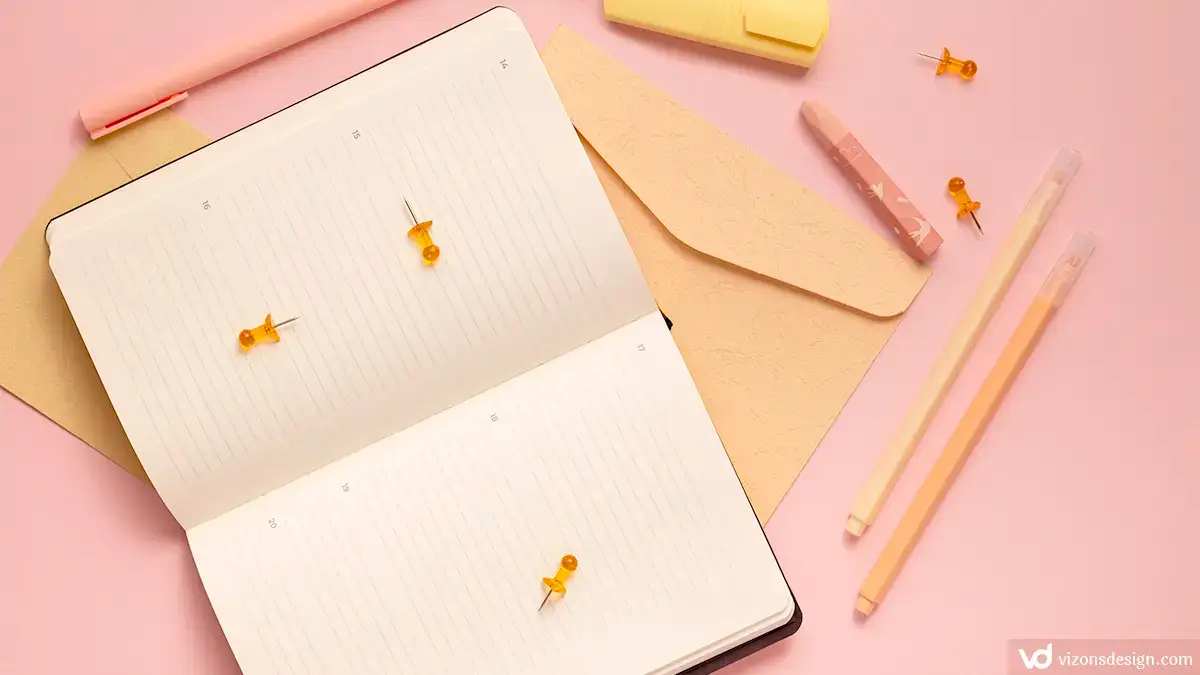

Why People Prefer a Physical Journal Book
Even with the growing number of digital planners, apps, and phones, people still prefer the experience of writing in a journal. Putting thoughts on paper creates a stronger connection to ideas, goals, and daily tasks. Whether it’s capturing notes during a meeting or recording creative ideas, the best journal book for personal and professional use offers a simple and effective way to stay organized and focused.
Finding the right journal, however, is not always easy. Some journal books are designed for structured business notes and project planning. Others are better suited for reflection, creative writing, goal setting, or travel memories. Plus, features such as page layout, binding style, cover design, and journal size can significantly influence how often and effectively you use it.


What Is the Best Journal Book for Personal and Professional Use?
A journal that looks attractive on a desk or bookshelf may not necessarily support your everyday workflow. In contrast, the best journal book for personal and professional use combines functionality, durability, and thoughtful organization. This type of journal is a valuable tool for both work and personal development over the long term.
This guide explores the key features that make a journal truly effective for different purposes. You will discover how to compare journal styles, evaluate cover options, and choose a format that matches your writing habits, productivity goals, and organizational needs.
What Is a Journal Book and Why Is It Useful?
A journal book is more than a place to take notes. Unlike ordinary notebooks that hold temporary information, journals help people track ideas, goals, and experiences. Many people prefer journaling because writing by hand improves focus and helps thoughts feel more organized. Without digital distractions, it becomes easier to reflect, plan, and remember important information.
Some use a journal daily for work, productivity, or self-improvement. Others turn to it whenever they need clarity or a place to capture ideas. However, there is no single way to journal. In fact, the best journal book is simply one that fits your routine and encourages you to keep coming back to it.
As journaling becomes a habit, comfort, organization, and design often become the features that matter most.

Which Features Matter in a Good Journal Book?
Many people notice the design first. The cover looks attractive, feels premium, and stands out online. However, after a few weeks of daily use, practical details often become more important.
Pages may feel too thin, the size may be inconvenient to carry, or the cover may show wear quickly. That’s when people discover that the best journal book for personal and professional use is designed for durability, comfort, and everyday functionality rather than appearance alone.
1. Paper Quality and Writing Experience
Paper quality has an immediate impact on how a journal feels to use. Some journals provide a smooth writing surface that remains comfortable during extended writing sessions. Others quickly reveal issues such as ink bleed-through, smudging, or rough texture. These differences become even more noticeable when using heavier pens or writing for longer periods.
Many buyers overlook paper quality at first, only to realize its importance after using the journal regularly. A notebook that works well for occasional notes may not offer the same comfort for consistent daily writing.
2. Journal Book Cover and Binding Options
The cover of a journal book plays an important role in everyday usability. Hardcover journals provide a sturdy writing surface and tend to maintain their shape over time, especially when carried in bags or stored on busy desks. Softcover journals are lighter and often more convenient for daily transport.
The best option depends on personal preference rather than one style being superior. Binding also affects usability. Spiral-bound journals fold back easily for writing, while stitched journals offer a streamlined appearance and a more compact profile when closed.
3. Selecting the Ideal Journal Size
Journal size influences portability, writing capacity, and everyday comfort. Larger journals provide more space for detailed entries and flexible layouts, but they can be less convenient to carry regularly. Smaller journals fit easily into bags and travel gear, though limited page space may become restrictive over time.
Many users prefer a middle-ground option. Medium-sized journal books offer the right balance between writing space and portability without feeling overly bulky or too compact.
4. Common Journal Layouts
The layout of the pages affect how you write naturally across the journal. Common layouts include grid, dotted, lined, and blank pages. While some people prefer the freedom writing across the page without fixed lines controlling spacing, others like structure.
Using a journal book over time helps some people discover their preference after trying different layouts. In short, the wrong layout can quietly make the journal feel less comfortable to use. But the right format will feel natural and encourage more consistent writing.
Journal Books for Personal Use
Personal journals often evolve beyond neat plans and organized entries. Over time, they become collections of thoughts, reminders, reflections, lists, and ideas gathered throughout daily life.
Some people write regularly, while others return to their journal only when they need clarity or a place to process their thoughts. Because of this, personal journaling usually works best without rigid rules or expectations.
What makes a journal feel personal is its flexibility. Writing by hand encourages a slower pace, giving people space to reflect without the pressure of perfection. Eventually, most people stop focusing on filling pages correctly and simply use the journal whenever they need a familiar place to think and write.
Journal Books for Professional Use
Professional journals generally fill quickly with meeting notes, project updates, reminders, and task lists. Many people prefer writing by hand because it is fast, convenient, and less distracting during meetings and planning sessions.
A journal also keeps important information organized in one place, making it easier to follow ongoing projects and track conversations over time. Notes, deadlines, and reminders remain connected instead of being scattered across multiple documents.
Most professional journals are not perfectly organized. They function as practical tools that adapt throughout the day. The best journal books for professional use support productivity, organization, and quick note-taking without slowing the workflow.
Key Takaways
A journal book often becomes valuable over time. The first few pages may remain blank, then quickly fill during a busy period. Or an important project when writing feels more effective than keeping everything in your head.
That is why the best journal book for personal and professional use is rarely chosen for appearance alone. The journals people continue using are the ones that fit naturally into their routines, writing habits, and daily workflow without requiring excessive structure.
Some journals stay on office desks for years, while others travel through late-night work sessions, airports, classrooms, and backpacks. Regardless of where they are used, the best journal book for personal and professional use becomes valuable when it supports everyday life and feels natural to return to again and again.
You may also enjoy reading: Graphic Design Template Benefits

Personal Branding Templates and Tips
To take your personal brand to the next level, invest in personal branding templates. Having…
How To Design Creative Holiday Greeting Cards
Sending creative holiday greeting cards is a great way to stay in touch with family…
How To Address Wedding Invitations
Weddings are one of the most special days for a couple. Plus, it's a great…

Valentine’s Day Cards, Quotes and Stickers
Love is all around us and comes in many shapes and sizes. We feel it…